Service area
Plumbing in Dynes
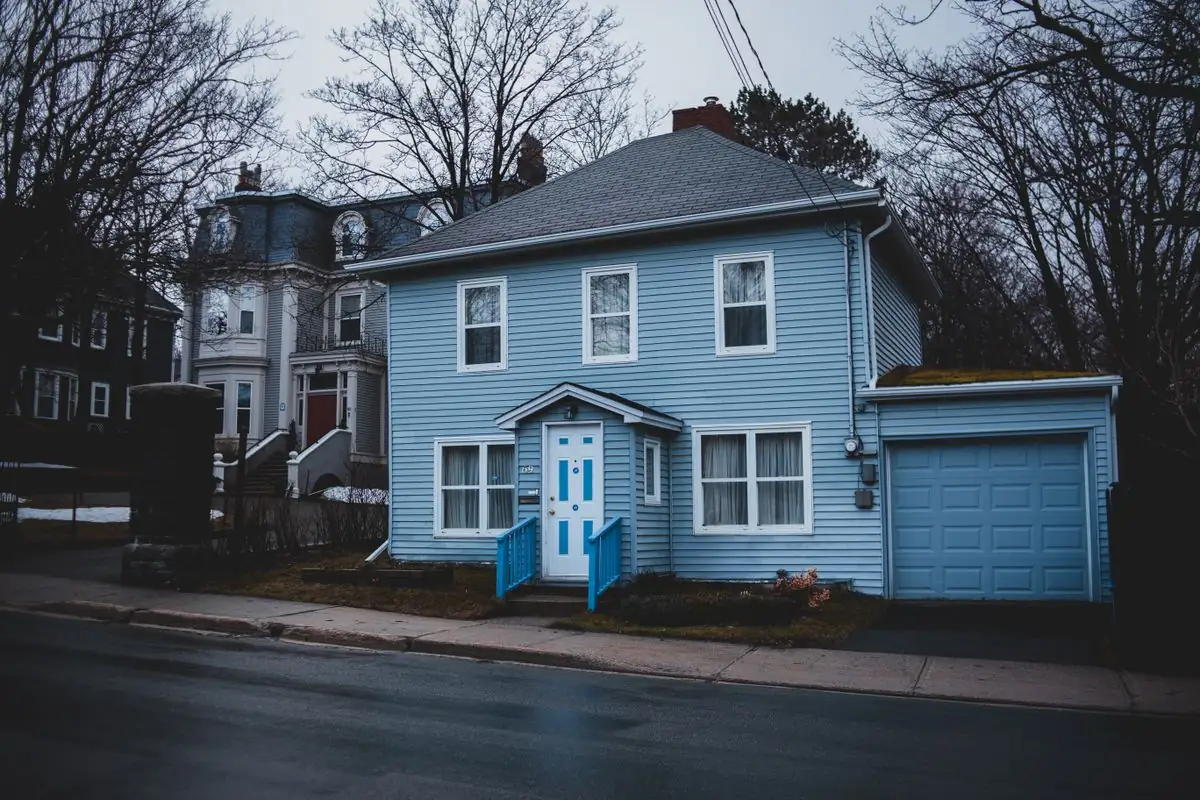
Dynes is a compact pocket of post-war bungalows clustered around Dynes Road, built when Burlington was turning from orchards into suburbs.
- A plumber routed to your street in Dynes
- Drains, leaks, water heaters and basements
- Familiar with the pipes in these houses
- The plan explained before any work
Calls only · a person answers
- 24 hResponse
- 28 areasAreas
- 28 servicesServices
- Licensed & insuredTrust
The houses of Dynes
Most houses here are modest one-storey bungalows from the 1950s and 1960s, set on deep lots with established trees and detached or carport garages. Many have been carefully updated; some have been replaced by new builds. Under the surface, original homes often still have a clay or cast-iron sewer lateral, a cast-iron stack, galvanized or early copper supply, and a single basement floor drain that does a lot of work.
Area at a glance
- Area
- Dynes
- Municipality
- City of Burlington
- Water
- Halton Region, lake-supplied
- Call
- (365) 464-5184
Common plumbing problems here
- Main line backups from roots or cracked clay laterals.
- Galvanized pipe corrosion causing low pressure and brown water at first draw.
- Cast-iron stack cracks that seep at joints.
- Original lead or galvanized water services in some of the earliest homes.
- Basement floor drain odours when traps dry out.
Bungalows keep the plumbing compact, which makes many repairs simpler than in larger homes, but it also means one failing main line affects everything at once.
Worth checking here
- Floor drain flows and has a cover
- Sump pump starts when the float lifts
- Water heater age on the rating plate
- Hose bib shut-off closed before frost
Water, drains and basements
Halton supplies lake water through municipal mains, and sewage leaves through the city system. The age of these homes makes the service pipe worth a look: very early houses could have lead or galvanized lines from the street. Our guide to lead water service pipes explains how to check. Older foundation drains in this area may connect in ways newer homes do not, so flood protection with a backwater valve deserves consideration. If floor drains back up, start with main sewer line clearing.
Simple fix for smells: every few weeks, tip a jug of water down any floor drain that rarely sees use. Once a trap dries out, sewer gas can drift into the basement.
Renovating a bungalow
Many owners here open up the main floor or finish the basement, and both projects are good moments to deal with ageing pipes. With ceilings down in the basement, galvanized supply and cast-iron drains are fully exposed, and replacing them costs far less than it would once drywall is back up. We also recommend a camera inspection of the lateral before finishing a lower level, since a cracked clay line under the floor is easier to address while the space is still unfinished. Moving a kitchen or adding a bathroom upstairs usually means new drain routes, which must slope correctly and be vented back to the stack. A permit and inspection are required for those changes.
Find your main shut-off
In most houses here the water enters at the street-side foundation wall, with the meter and main valve together. Tag that valve before you need it.
Getting us there
Dynes sits close to Guelph Line and Fairview Street, making it one of the quickest areas for us to reach. When you call, let us know whether the basement is finished and where the cleanout is, if you know. Neighbouring areas include Tyandaga and Palmer. You can also see every service and every area we cover.
Buyers considering a bungalow here can ask us for a pre-purchase look at the lateral, stack and supply lines, which gives a clearer picture of near-term costs than a general inspection alone.
Questions we hear
Should I replace galvanized pipes in my Dynes bungalow?
If pressure is falling or water discolours at first use, replacing the galvanized sections is usually worthwhile. Bungalows make repiping more accessible than multi-storey homes.
How do I know if my sewer lateral is clay?
A camera inspection from the cleanout shows the material and the joints. Many original homes here still have clay.