Service area
Plumbing in Brant Hills
Brant Hills grew up in the 1970s around its park and community centre, and many of its houses are now reaching the age where original plumbing starts asking for attention.
- A plumber routed to your street in Brant Hills
- Drains, leaks, water heaters and basements
- Familiar with the pipes in these houses
- The plan explained before any work
Calls only · a person answers
- 24 hResponse
- 28 areasAreas
- 28 servicesServices
- Licensed & insuredTrust
The houses of Brant Hills
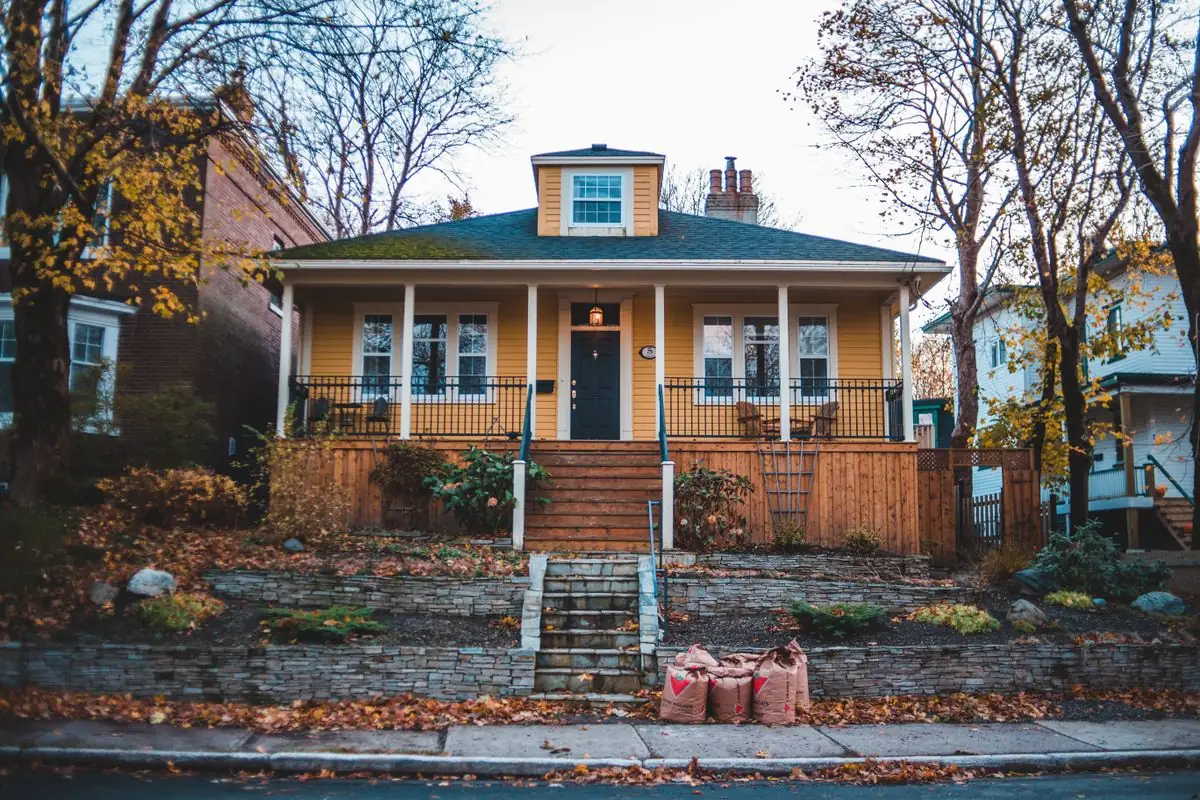
Most homes here are detached two-storeys, backsplits and side-splits built during a single wave of development, with a scattering of townhouse complexes along the edges. Lots are generous by suburban standards, and mature trees now shade streets that were bare when the first families moved in. Inside, many houses have had kitchens updated while the pipes behind the walls stayed original: copper supply lines, cast-iron or early ABS drains and a main shut-off in the basement near the front wall.
Area at a glance
- Area
- Brant Hills
- Municipality
- City of Burlington
- Water
- Halton Region, lake-supplied
- Call
- (365) 464-5184
Common plumbing problems here
- Aging water heaters in tight furnace rooms, sometimes on their third or fourth replacement and needing updated venting.
- Pinhole leaks in older copper, often showing as a small stain on a basement ceiling.
- Root intrusion in laterals under mature front-yard trees.
- Worn shut-off valves that stick partway when you try to close them.
- Tired toilet flanges and wax seals on original bathrooms.
No single item here is an emergency, but they tend to arrive together as a house passes fifty years. Spotting them during one visit saves repeat calls.
Worth checking here
- Floor drain flows and has a cover
- Sump pump starts when the float lifts
- Water heater age on the rating plate
- Hose bib shut-off closed before frost
Water, drains and basements
Like the rest of urban Burlington, Brant Hills is on Halton Region's lake-sourced water and municipal sewers. Split-level layouts mean the lowest level is often only partly below grade, which keeps some basements drier but leaves the main drain shallow. That matters for anyone planning a basement bathroom, since slope can be tight. Houses with original foundation drains benefit from a check of the sump arrangement and a conversation about a backwater valve.
Local habit worth keeping: find and test your main shut-off now, while nothing is leaking. Our guide to shut-off valve locations shows where to look in houses of this era.
Laundry rooms deserve a glance too. Rubber washer hoses from an earlier decade can burst without warning, and swapping them for braided lines is an inexpensive precaution many owners here overlook.
A practical maintenance rhythm
For houses of this age, a light routine prevents most surprises. Each autumn, shut off and drain the outside taps, look under sinks for damp cabinet floors, and lift the lid on the toilet tanks to see whether flappers have stiffened. Each spring, run the floor drain, test the sump if there is one, and listen to the water heater as it fires; rumbling means sediment. Every few years, open and close each shut-off valve so it does not seize. None of it takes long, and it gives you an early read on what the next repair might be, so you can plan rather than react.
Find your main shut-off
In most houses here the water enters at the street-side foundation wall, with the meter and main valve together. Tag that valve before you need it.
Getting us there
Brant Hills sits north of the QEW with quick access from Upper Middle Road, Brant Street and Dundas Street, so a booked visit fits easily into a working day. When you call, mention the style of house and whether the basement is finished; it helps us bring the right tools. For neighbouring areas, see Brant and, to the north, Carlisle. All service types are listed under the craft, and our full coverage map is at the route.
Questions we hear
Do Brant Hills homes have polybutylene pipe?
It is uncommon in houses of this age, which mostly used copper. Additions or renovations done in the 1980s or early 1990s deserve a look.
Is it worth replacing original copper preemptively?
Not usually. Spot repairs make sense until leaks become frequent; then a planned repipe is easier than repeated patches.